
Electrification in Sweden: the engineering skills in highest demand
Sweden is in the middle of one of the largest technical shifts in its modern history. Industry, transport and heating are moving from fossil fuels to electricity, and the whole system around them has to be rebuilt.

According to the International Energy Agency, Sweden needs to prepare for a potential doubling of electricity demand by 2045. That means more generation, a stronger grid, new industrial processes and far more electric vehicles on the roads. Every one of those needs engineers.
This article looks at where electrification is happening, which engineering skills are in highest demand and how you can move into the field, even if your background is elsewhere.
Where electrification is happening
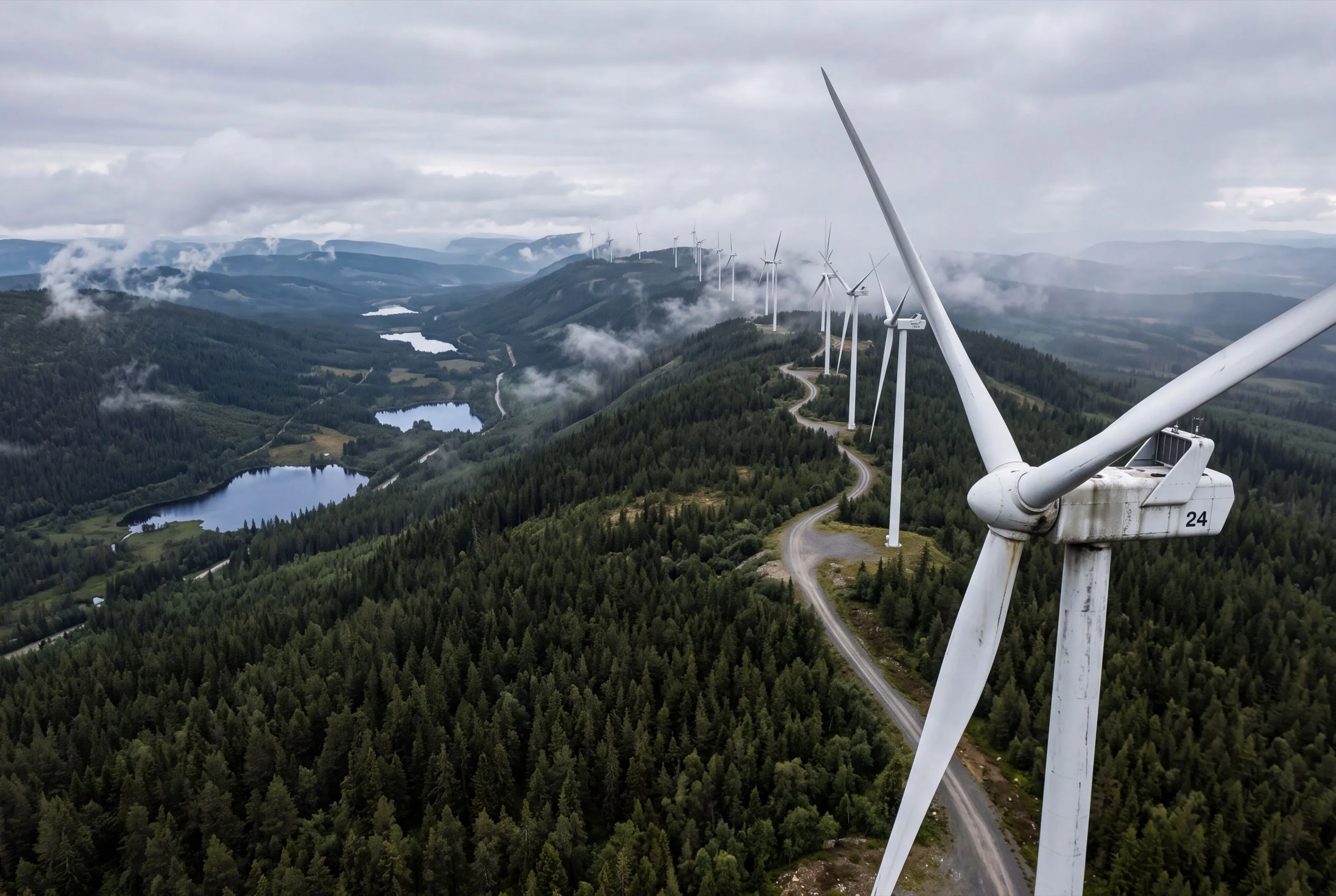
The power grid. More electricity has to be produced and moved across the country, from wind farms and power plants to cities and industrial sites. That means new substations, transmission lines, grid automation and energy storage. The IEA also points to permitting delays for transmission lines as one of the uncertainties Sweden has to handle.
Transport. Electric cars are already mainstream. According to Mobility Sweden, fully electric cars made up around 42 percent of new car registrations in the first half of 2026, and more than half of new buses were electric. Heavy trucks, construction equipment and rail are next, along with the charging infrastructure to support them.
Industry. Energy-intensive industries such as steel, mining and process industry are switching to electricity and, in some cases, hydrogen produced with fossil-free power. These projects need electrical systems, automation and control on a very large scale.
Read more about the energy and industry, mobility and aerospace and infrastructure sectors.
The engineering skills in highest demand
Electrification is not one job. It is a chain of disciplines that all have to work together.
- Electrical power and design. Power distribution, switchgear, substations, cable sizing, protection and earthing. Typical role: Electrical Engineer.
- Power electronics. Inverters, converters, chargers and motor drives for vehicles, grid and industry. Typical role: Electronic Engineer.
- Automation and control. PLC and SCADA systems, process control, grid automation and industrial robotics. Typical role: Automation Engineer.
- Embedded software. Battery management systems, charging control, vehicle control units and smart grid devices. Typical role: Embedded Software Engineer.
- Mechanical integration. Battery packs, cooling, enclosures and integration of electrical systems into machines. Typical role: Mechanical Engineer.
- Project management. Planning and coordinating large installations, suppliers and commissioning. Typical role: Project Manager.
What ties these together is systems thinking. The engineers in highest demand understand not just their own part, but how it connects to the rest: how a charger affects the grid, how a battery affects the vehicle, how a control system affects the process.
Standards and tools worth knowing
You do not need to know all of these, but familiarity with the ones in your area makes a clear difference in interviews.
- Grid and substations. IEC 61850 for substation automation and communication, plus protection and SCADA systems from the major vendors.
- Electrical installations. IEC 61439 for switchgear assemblies and the IEC 60364 series for low-voltage installations. In Sweden, electrical installation work is regulated, and Elsäkerhetsverket authorises electrical installers.
- EV charging. IEC 61851 and ISO 15118 for conductive charging and communication between vehicle and charger.
- Vehicles. ISO 26262 for functional safety, high-voltage safety and CAN-based communication.
- Automation. PLC programming with IEC 61131-3, and tools such as Siemens TIA Portal, ABB and Beckhoff environments.
- Design tools. EPLAN, AutoCAD Electrical and simulation tools such as MATLAB/Simulink or PSS®E for power systems.
How to move into electrification from another field
Many of the engineers working on electrification today started somewhere else. The skills often transfer better than you think.
- From automotive. Experience with vehicle electronics, CAN and safety standards maps directly to electric trucks, construction equipment and charging systems.
- From telecom or consumer electronics. Embedded software, power supplies and connectivity are central to chargers, battery systems and smart grid devices.
- From traditional industry. Automation and control experience from process or manufacturing industry is exactly what electrified production lines need.
- From building services. Electrical design for buildings is a natural step towards larger installations, charging infrastructure and energy systems.
The most effective way in is usually a project where your existing skills are needed, and the electrification part is new. That way you add the domain knowledge on the job, rather than starting over.
Want to work on electrification?
We have open roles for engineers in Stockholm, Gothenburg and Mälardalen, with assignments in energy, industry, mobility and infrastructure. Whether your background is electrical, electronics, automation, embedded or mechanical, there is a place for you in the transition.
See all open roles or send an open application.
FAQ
What is electrification?
Electrification means replacing fossil fuels with electricity in transport, industry and heating. It also includes building out the generation, grid and storage needed to supply that electricity.
Which engineers are most in demand for electrification?
Electrical engineers, power electronics engineers, automation engineers and embedded software engineers are in high demand, along with project managers who can run large installations.
Do I need a background in energy to work with electrification?
No. Many engineers come from automotive, telecom, industry or building services. Skills in electronics, software, automation or electrical design transfer well, and the domain knowledge can be learned on the job.
Where in Sweden are the electrification jobs?
Across the country. Vehicle electrification is concentrated around Gothenburg and Mälardalen, grid and power technology is strong in Mälardalen and Stockholm, and large industrial projects are found in northern Sweden.
How much will electricity demand grow in Sweden?
The IEA says Sweden needs to prepare for a potential doubling of electricity demand by 2045, driven by electrification, notably in industry and transport.